Claw Fishing Whale Shark Guide
Plan the deep route, land the claw grab, and slot one of the most popular rare fish in Smoothly Sailing's ocean.
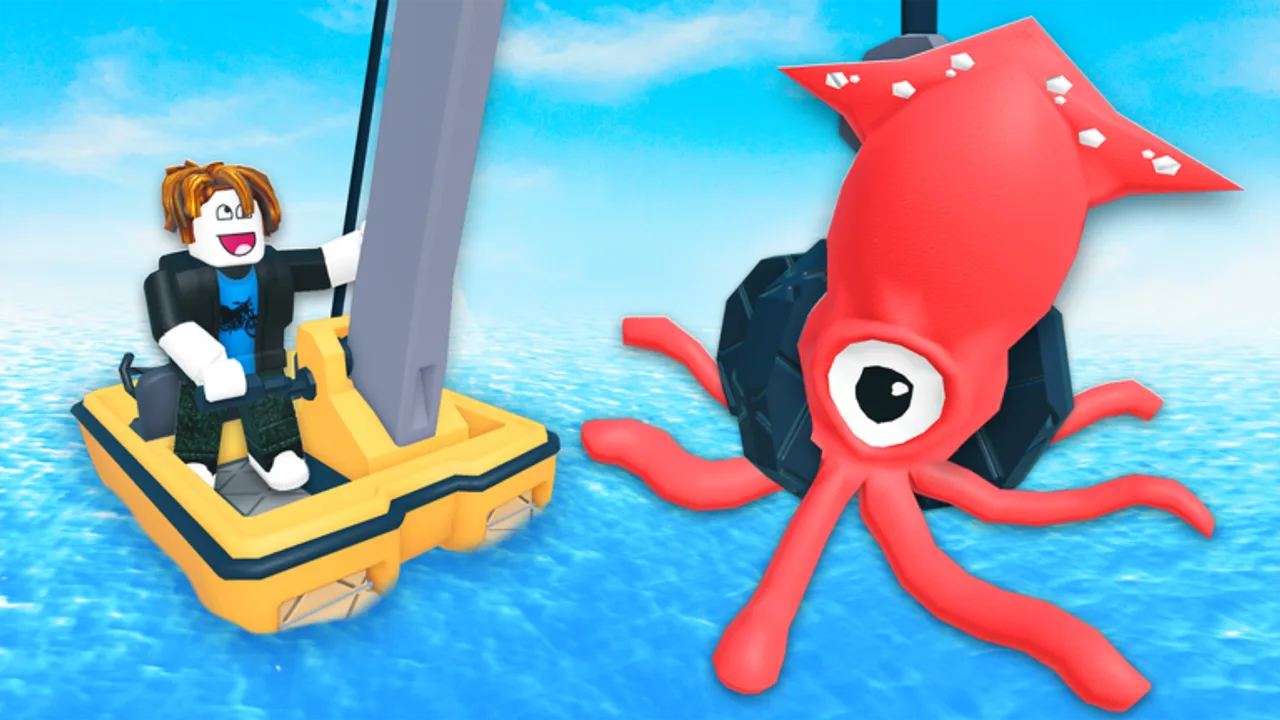
The Whale Shark is among the most talked-about rare catches in Claw Fishing by Smoothly Sailing. It sits at the intersection of deep-water routing, high claw stats, and disciplined tsunami survival — a flagship fish that looks impressive on deck but pays best inside your aquarium. With roughly 2.6 million visits since the game’s April 2026 launch window, many players chase the Whale Shark as proof they have graduated from harbor commons to endgame hunting. This guide covers preparation, route planning, claw execution, and what to do after you land one. Read Rare & Legendary Fish for general rarity rules and Upgrades for stat gates.
Why hunt the Whale Shark
Whale Sharks combine prestige and economy:
- Community tier lists and player trade chatter rank them near the top of must-have species.
- Aquarium placement typically beats selling for one-time cash when passive income is your goal.
- A successful catch validates your boat pathing, claw timing, and event awareness in one moment.
They are not mandatory for basic progression — Getting Started goals complete without one — but they mark the shift from casual claw play to structured rare hunting.
Prerequisites checklist
Do not leave harbor for a dedicated Whale Shark session until you confirm:
| Requirement | Reason |
|---|---|
| Claw reach at high tier | Whale Sharks spawn deep; short claws whiff |
| Boat speed tier 2 or better | Reach zone and escape tsunamis |
| Stable grab success on normal rares | Practice tier from Rare & Legendary Fish |
| Empty premium aquarium slot | Deposit immediately after catch |
| Harbor return vector memorized | No panic navigation during warnings |
| Comfortable on your platform | See Controls for mobile/console |
Under-geared hunts produce frustration and empty claw logs. Fund upgrades first.
Route planning
Whale Shark spawns concentrate in deep offshore bands, not starter harbor water. Route design matters more than random roaming:
- Depart harbor on a straight heading to your deepest unlocked ring.
- Mark a turn-back buoy mentally — a rock, island, or map edge you never cross after warnings.
- Sweep laterally along the deep band instead of idling one spot; schools move.
- Watch surface disturbance — large shadows or unusual splashes often precede flagship spawns.
- Abort on first tsunami cue even if a silhouette was near; resets beat deck losses.
In six-player servers, avoid following another boat’s wake exactly. Offset parallel paths reduce collision and shared miss timing.
Claw execution on large targets
Whale Sharks are physically larger than commons, which changes claw technique:
- Lead the target — position the boat where the shark will be, not where it was.
- Full stop before drop; inertia misaligns wide claws on big hitboxes.
- Center the claw over the torso, not the tail fin; tail grabs fail more often.
- Partial descent first, then adjust depth if the shark dives.
- Confirm grip before raising; premature acceleration shakes large catches loose.
If the claw closes empty, reposition for another pass instead of chasing at full throttle — wake turbulence makes second attempts worse.
Tsunami windows and timing
Whale Shark hunts take longer than common farming loops. That duration intersects badly with tsunamis if you lack discipline:
- Start sessions with clean weather and no active warning UI.
- Set a personal timer — example: twelve minutes offshore maximum before mandatory harbor return.
- Deposit any rares collected during the trip before attempting a second deep push in the same session.
- Read the full Tsunami Survival guide if you have lost deck fish before.
Flagship catches feel too valuable to abandon, which is exactly when players ignore sirens and lose everything. Decide turn-back rules before you see the Whale Shark silhouette.
After the catch
Landing the Whale Shark is mid-progress, not endgame:
- Raise claw and reduce speed immediately.
- Navigate harbor on the pre-planned safe path — no victory donuts in open water.
- Deposit into aquarium using your best available slot; replace the lowest earner if full.
- Collect money to observe the income jump — reinforces keeping future legendaries.
- Screenshot or share only after deposit; deck flex during return invites tsunami losses.
Compare long-term slot value against instant sell using guidance in Aquarium & Money. Selling a first Whale Shark for a mid-tier upgrade is almost always a mistake.
Repeat hunts and duplicates
Duplicate Whale Sharks can happen on long endgame sessions. Options:
- Keep higher income variant if stats differ.
- Swap out weakest legendary in another slot.
- Sell duplicate only when all slots are optimal and you need exact upgrade threshold today.
Track performance via the Tier List when patches rebalance species income.
Multiplayer etiquette and competition
Shared oceans mean shared spawns. Competitive but fair play:
- Do not ram other boats during approach — you both lose time.
- If another player hooks a flagship first, rotate to a parallel deep band instead of camping their deck.
- Friends-only servers help coordinated hunts when teaching controls to newer crew.
Session template for Whale Shark day
- Collect aquarium earnings and verify upgrade readiness.
- Warm up with one mid-tier rare fish grab in the same depth band.
- Execute deep route with timer and tsunami rules active.
- Deposit all quality catches at harbor.
- Upgrade claw or speed if failures were mechanical, not RNG.
- Optional second route only if warnings stayed clear entire first trip.
Structured days beat all-day idle roaming that mixes shallow commons with deep misses.
Troubleshooting
| Issue | Response |
|---|---|
| Never see Whale Shark | Fish deeper ring; verify reach upgrade tier |
| See silhouette, always miss | Stop boat; aim center mass; check grip upgrade |
| Lose catch en route | Slow down; raise claw; read Tsunami Survival |
| Income lower than expected | Confirm aquarium slot; collect money; check Tier List |
| Other player got it first | Rotate band; repeat template next session |
Related guides
- Rare & Legendary Fish — general hunting framework
- Aquarium & Money — slot the catch
- Upgrades — reach and speed investment
- Getting Started — if deep routes feel foreign
- Codes — promo cash for upgrade pushes
The Whale Shark is Claw Fishing’s headline rare — worth the prep, the upgrades, and the tsunami respect. Catch it once, slot it, let your aquarium fund the next legend, and the ocean becomes a progression engine instead of a lottery.
Frequently Asked Questions
Quick answers players ask while claw fishing on Roblox.
Is the Whale Shark the rarest fish in Claw Fishing?
It is one of the most popular and sought-after rare fish alongside other legendaries. Exact rarity tiers may shift when Smoothly Sailing updates spawns.
What upgrades do I need before hunting the Whale Shark?
High claw reach, strong boat speed, and reliable grab success on normal rares first. Under-upgraded claws cannot reach deep Whale Shark zones consistently.
Should I sell or aquarium my Whale Shark?
Put it in the aquarium for long-term passive income unless you need immediate cash for a critical reach upgrade—and even then, compare sell price versus hourly slot earnings.
Can I lose a Whale Shark during a tsunami?
Yes if it is still on your boat during the event. Deposit at harbor immediately after catching; read the Tsunami Survival guide for escape timing.
Where does the Whale Shark spawn in Claw Fishing?
Deep offshore water far from the harbor starter zone. Use the route planning section here and general depth rules from Rare & Legendary Fish.
Does the Whale Shark appear in six-player public servers?
Yes, but competition for deep spawns is higher. Offset your route from crowded boats and avoid collisions during claw drops.